
Contract-to-hire

Contract-to-hire: try before you commit

Work with a professional on contract first, then hire them permanently once you are both sure it is the right fit. Less risk for you, a real preview of the role for them.

  • See real work before you make an offer
  • Conversion terms agreed before day one
  • Candidates who want a permanent role
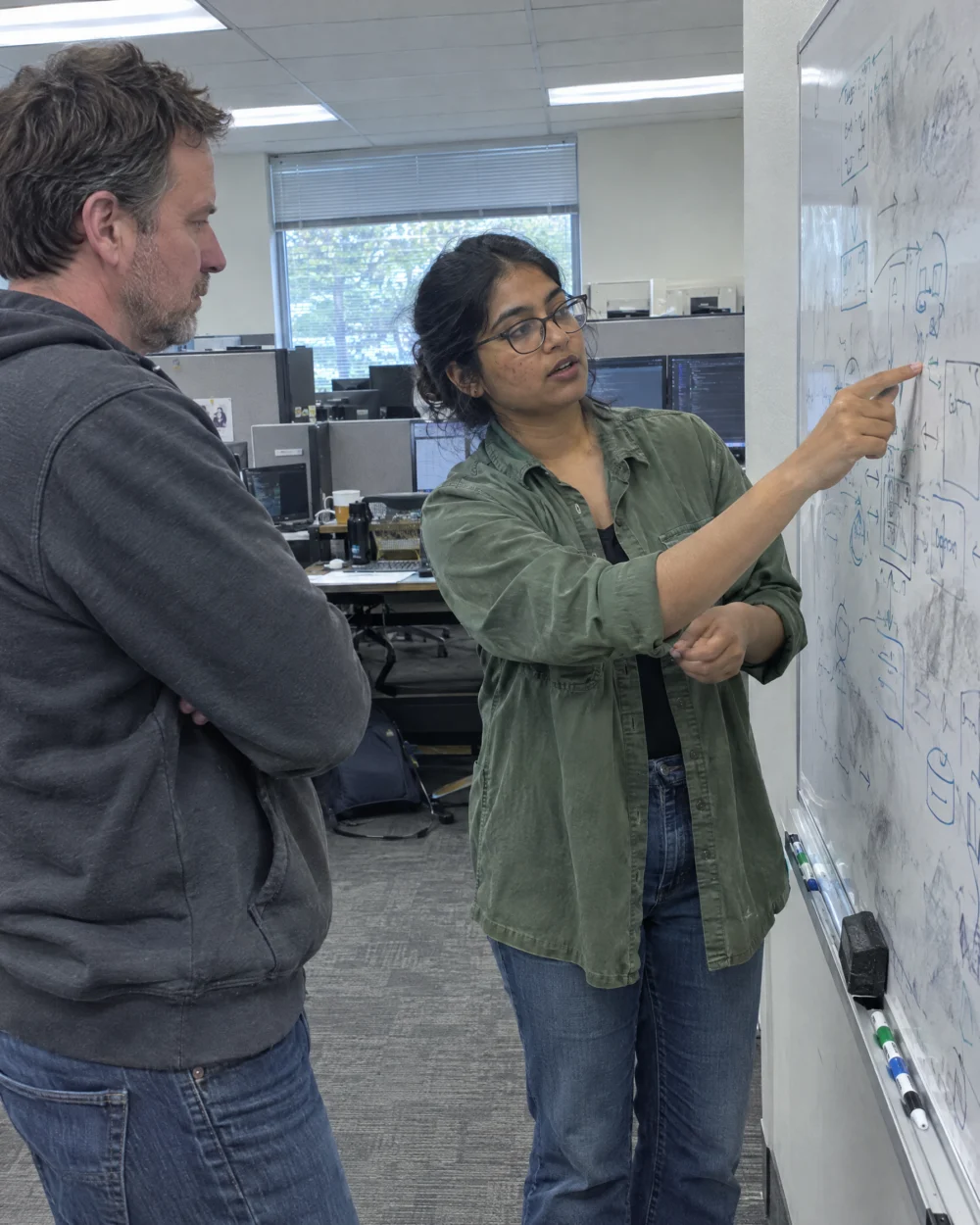
Contract-to-hire developer explaining a system diagram to her team lead

Decision point

1agreed date

to convert, extend or part ways

Trythen hire

When to use it

When contract-to-hire works best

A trial period gives both sides real evidence before a permanent commitment.

New or changing roles

When a role is new or evolving and you want to see it in practice before you commit.

Culture-critical hires

Small teams and client-facing roles where working style matters as much as skills.

Headcount still in approval

Start the work now while permanent budget is signed off.

Skills best seen in action

Abilities that show in real work more clearly than in an interview.

How it works

How contract-to-hire works

Four steps and one recruiter, from the first call to the last day.

  1. 01Within 1 business day

    Brief

    Share the role and how long you would like the trial period to be.

    • Trial length agreed up front
    • Conversion terms in writing
  2. 02Target 48 hrs

    Shortlist

    Candidates who are open to a permanent role, screened by a specialist recruiter.

    • Open to permanent work
    • Specialist interview
  3. 03An agreed length

    Trial period

    The professional works with your team on contract while we handle payroll and check in.

    • Regular feedback both ways
    • Payroll handled through RUS
  4. 04On the agreed date

    Convert

    Hire them onto your payroll on the terms agreed at the start, or decide not to.

    • No surprises at conversion
    • Follow-up after the switch
Manager and employee in a positive review meeting
Evidencebefore a permanent offer
Lower-risk hiring

A preview of the real job, for both sides

A trial period replaces guesswork with evidence. You see the quality of the work and how someone fits the team; they see the role, the manager and the culture.

  • Real work to judge, not just interview answers
  • Conversion terms agreed before the start
  • Regular check-ins from your recruiter
  • A replacement arranged if it is not working
Team congratulating a colleague at his desk
Clear pathto a permanent role
A fair deal for candidates

Clear expectations from day one

Good candidates accept contract-to-hire roles when the path to a permanent offer is clear. We agree the timeline and the decision point up front, so nobody is left guessing.

  • A clear timeline to a decision
  • Honest feedback along the way
  • A smooth switch onto your payroll
  • Support after conversion

At a glance

Contract-to-hire at a glance

The essentials in one place: how long it lasts, who employs the professional and how you pay.

Commitment
A contract trial period, then a permanent hire
Who employs them
RUS Recruiting during the trial, then you
How you pay
An hourly bill rate during the trial; conversion terms agreed up front
Decision point
Agreed before the assignment starts
If it is not a fit
End the trial with notice, or ask for a replacement
Best for
Roles where fit matters most

Request talent

Tell us about your role

Share a few details and a specialist recruiter will be in touch. There is no obligation and no cost to talk.

What happens next

  1. 1
    A recruiter calls you backWithin one business day, to understand the role.
  2. 2
    We agree the planTimeline, budget and how you want to hire, in writing.
  3. 3
    You meet the shortlistOnly screened people who fit the brief.

Request talent

Request contract-to-hire

Takes about two minutes. A specialist recruiter will call you back within one business day.

FAQ

Contract-to-hire questions, answered

Straight answers to the questions employers ask us most.

Still have a question?

Talk to a recruiter about your role or your search. We reply within one business day.

It depends on the role and what you need to see. Many employers choose a few months. The length and the decision point are agreed with your recruiter before the assignment starts.

On the agreed date you decide whether to make a permanent offer. If you do, the professional moves onto your payroll on the conversion terms agreed at the start, and your recruiter manages the offer.

Conversion terms, including any fee, are set out in writing before the assignment begins, so you know the full cost of a permanent hire from day one.

It happens occasionally. Your recruiter talks to both sides early so there are no surprises, and can start a search for a replacement if needed.

Yes. We recruit contract-to-hire professionals for remote, hybrid and on-site roles across the United States.